#
gaming
#
Developement
The result is a learning experience that feels closer to a modern RPG than a traditional education product, one that supports exploration, collaboration, and ownership at scale. Scope of work included: Product requirements definition, UX flow mapping, mission and gameplay UI, artifact and inventory systems, multiplayer interfaces, wallet integration, core game systems (XP, skill trees), and administrative tools for content management.
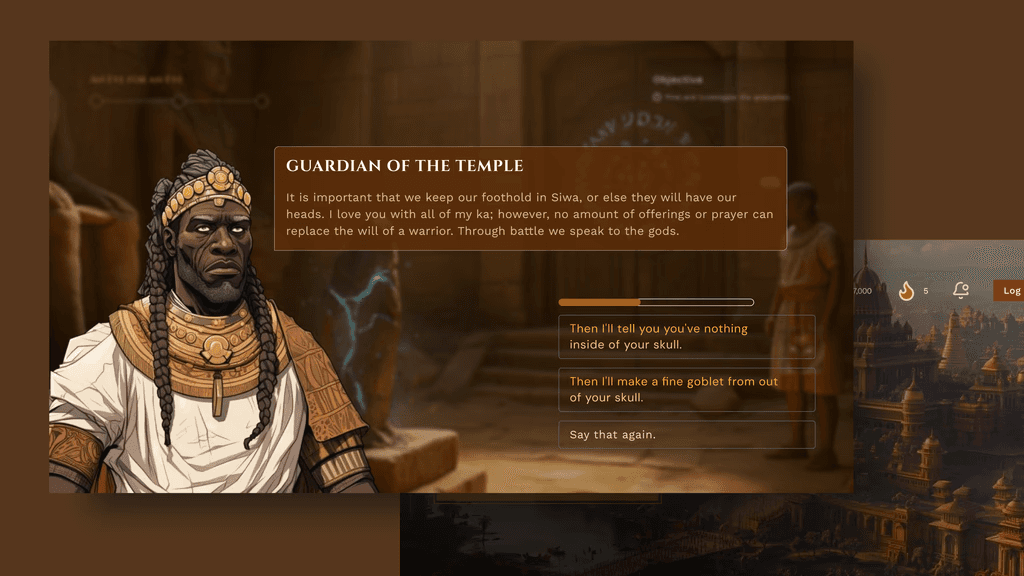
Most digital learning products struggle to sustain engagement because they rely on passive formats such as quizzes, text, and short interactions that fail to create emotional investment.
Echoes of Time was conceived as a Web3-powered role-playing game where players travel through historical eras, repair timeline anomalies, and collect authentic artifacts as on-chain assets. The challenge was not only to make history interactive, but to design a system compelling enough to compete with modern games — while remaining educational and scalable. My role was to reposition the product from a conventional education app into a fully fledged on-chain RPG with long-term progression, verifiable ownership, and social collaboration.

Traditional learning tools treat engagement as an afterthought. Even when gamification is added, it often feels superficial, resulting in short-lived interest and poor retention.
For Echoes of Time, the initial concept lacked a clear gameplay loop, progression structure, and narrative framework capable of sustaining long-term play. Web3 elements such as wallets and NFTs risked feeling bolted-on rather than meaningfully integrated into the experience. The core challenge was to balance education, gameplay, and blockchain mechanics without overwhelming players or compromising immersion.


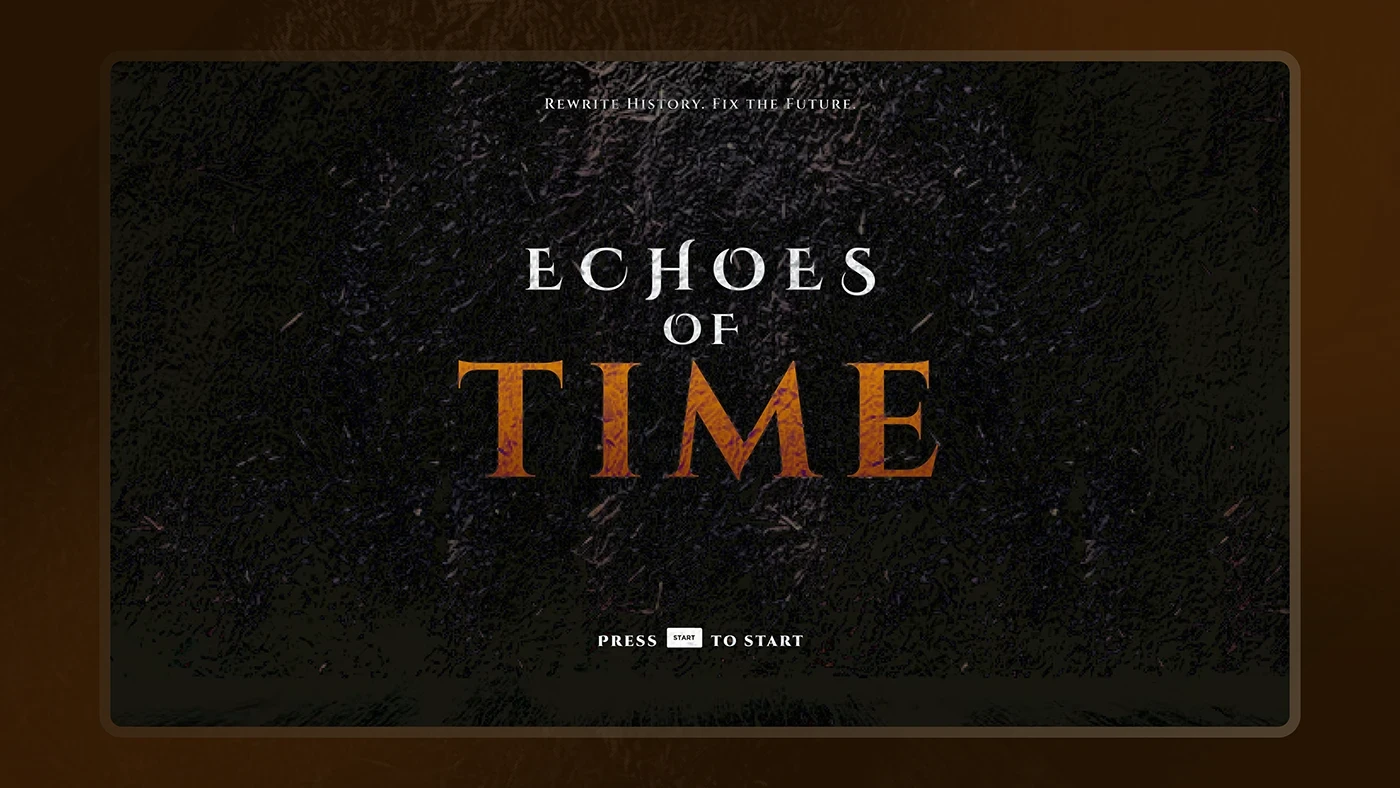

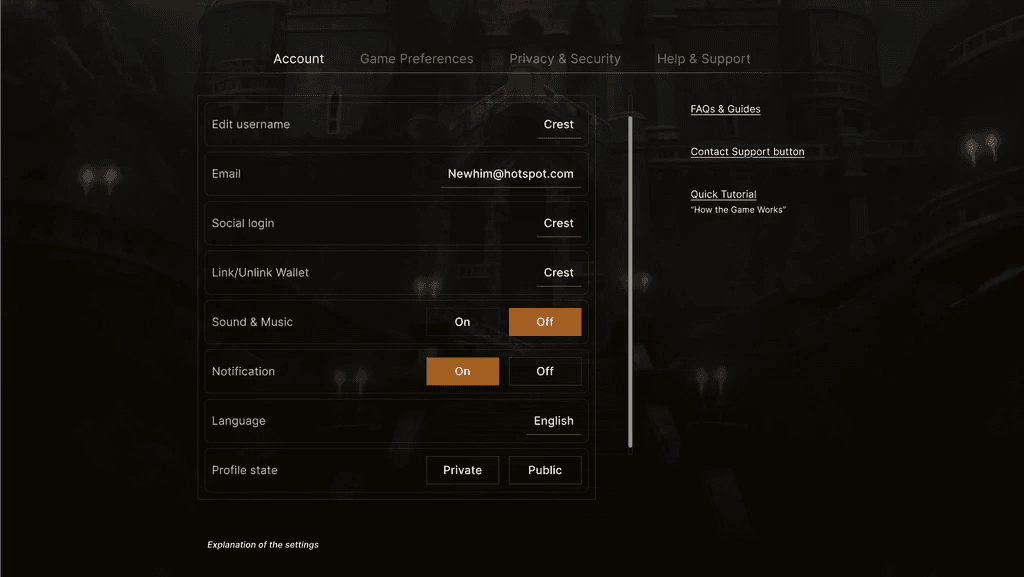
The product was redesigned around a story-driven RPG framework where learning is embedded in gameplay rather than delivered explicitly.
Historical content was reframed as missions and anomalies within a time-travel narrative. Artifacts became verifiable on-chain items that players could collect, trade, and showcase, reinforcing progression and ownership. Multiplayer collaboration was introduced to encourage shared problem-solving and social engagement across timelines. Wallet integration on StarkNet was designed to feel invisible during early play, allowing users to focus on the story and mechanics before interacting with on-chain elements. Game systems such as experience points, skill trees, and mission progression were structured to support long-term engagement while remaining extensible for future eras and content.