#
web3
#
Developement
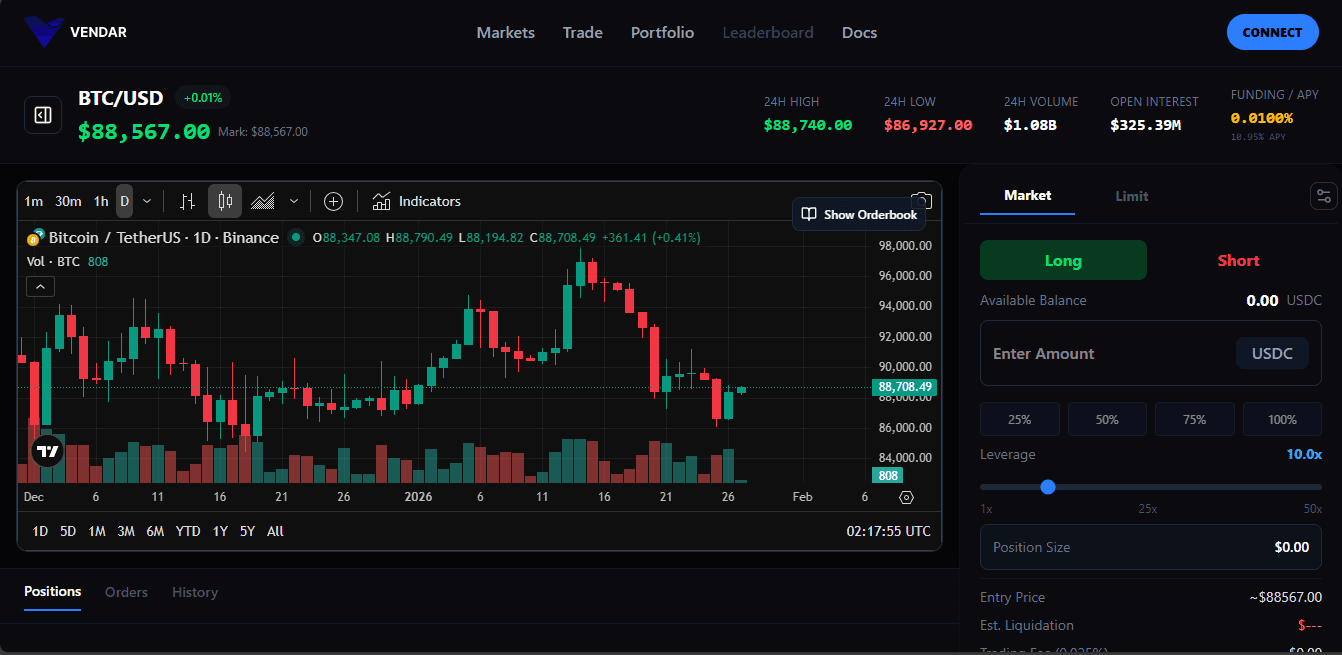
Designing wallet connection as a guided decision, not a forced commitment Scope: UX diagnosis · Interaction design · Frontend implementation

For many Web3 products, the first meaningful drop-off happens before users experience any value.
Wallet connection is often treated as a technical prerequisite, when in reality it is a moment of uncertainty and perceived risk. This work focused on reducing friction at entry by separating exploration from ownership and reframing wallet connection as a guided choice rather than an abrupt requirement. The goal was to increase connection conversion and early retention without compromising long-term security or flexibility. Reducing early cryptographic commitment is commonly associated with higher first-session completion and improved exploration rates in Web3 onboarding flows.

Users were being asked to make irreversible or poorly understood decisions too early. At first contact, many were required to choose a wallet, understand keys, or commit security-sensitive actions before experiencing any product value.
When multiple wallet options were presented without context, users hesitated or feared making the “wrong” choice. Abrupt transitions and technical language increased anxiety, leading to abandoned connection attempts and early exits, particularly among non-native Web3 users. The issue was not the number of options or the presence of wallets themselves, but the lack of guidance and timing at the moment of choice.
Entry was redesigned as a progressive experience rather than a single commitment point.
Users could begin with a simple username, allowing them to explore the product before creating or connecting a wallet. Wallet connection, when introduced, was framed as a decision rather than a technical task, with clearer labeling, improved visual hierarchy, and language that reduced perceived risk.
By separating exploration from ownership and improving guidance at the point of wallet choice, the entry experience became calmer and more approachable. Users showed greater confidence at login, fewer abandoned connection attempts, and a clearer understanding of when and why wallet connection was required. The product became easier to try without diminishing long-term security or power-user capabilities.